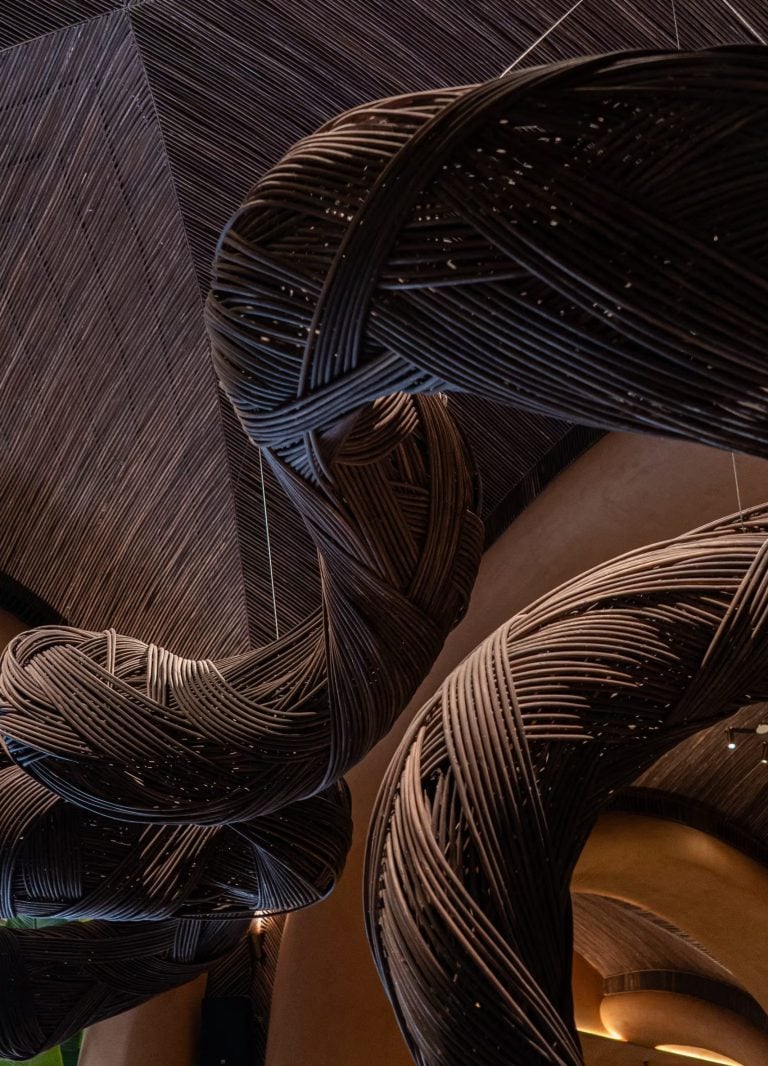
Abstract art has moved from gallery walls into the flow of daily life. It now fills homes, workspaces, and digital screens, creating a dynamic background for our modern routines. This blend of non-representational forms with contemporary living spaces sparks new ideas and personal connections.
Here, we will explore the use of abstract visual art in modern settings.
Seeing with feeling:
Abstract art does not show a clear picture of the world. Instead, it uses shape, color, and texture to suggest mood and energy. A painting might feel calm with soft blue curves, or lively with sharp red angles. This open style lets you bring your own thoughts to the experience, making each viewing personal. The art consultants like Signature Line excel in selecting such pieces that resonate on an individual level.
Art in daily spaces:
Modern rooms often have clean lines and simple furniture. Abstract pieces fit well here. A large canvas can add necessary energy to a quiet room. A small, bold sculpture can draw the eye on a shelf. Art becomes part of the space, not only a decoration. It balances design and sparks talk.
Color shapes the room:
The colors in abstract art change how a space feels. A work with warm tones can make a large room feel cozy. A piece with cool shades can bring a calm vibe to a busy area. Artists pick palettes that cause a reaction. Placing that art thoughtfully means its colors work with your walls, light, and furnishings.
Texture adds a layer:
Many abstract artists build physical depth on the surface. They might use thick paint, fabric, or mixed materials. This texture is important. It catches light and casts small shadows. In a modern setting with smooth finishes, this rough touch adds welcome contrast and a sense of raw making.
Digital and physical mix:
Abstract art lives online too. Digital screens can show moving abstract forms, adding soft light to a room. People also print digital artworks for their walls. This mix means you can enjoy art in both fixed and changing ways. A screen saver might shift daily, while a print stays constant.
Your personal choice:
Selecting abstract art is a direct process. Look at a piece. Note your gut response. Does it hold your attention? Does it fit the scale of your wall? The best piece for you is one that you connect with. It should reflect your taste and add to your space without words.

