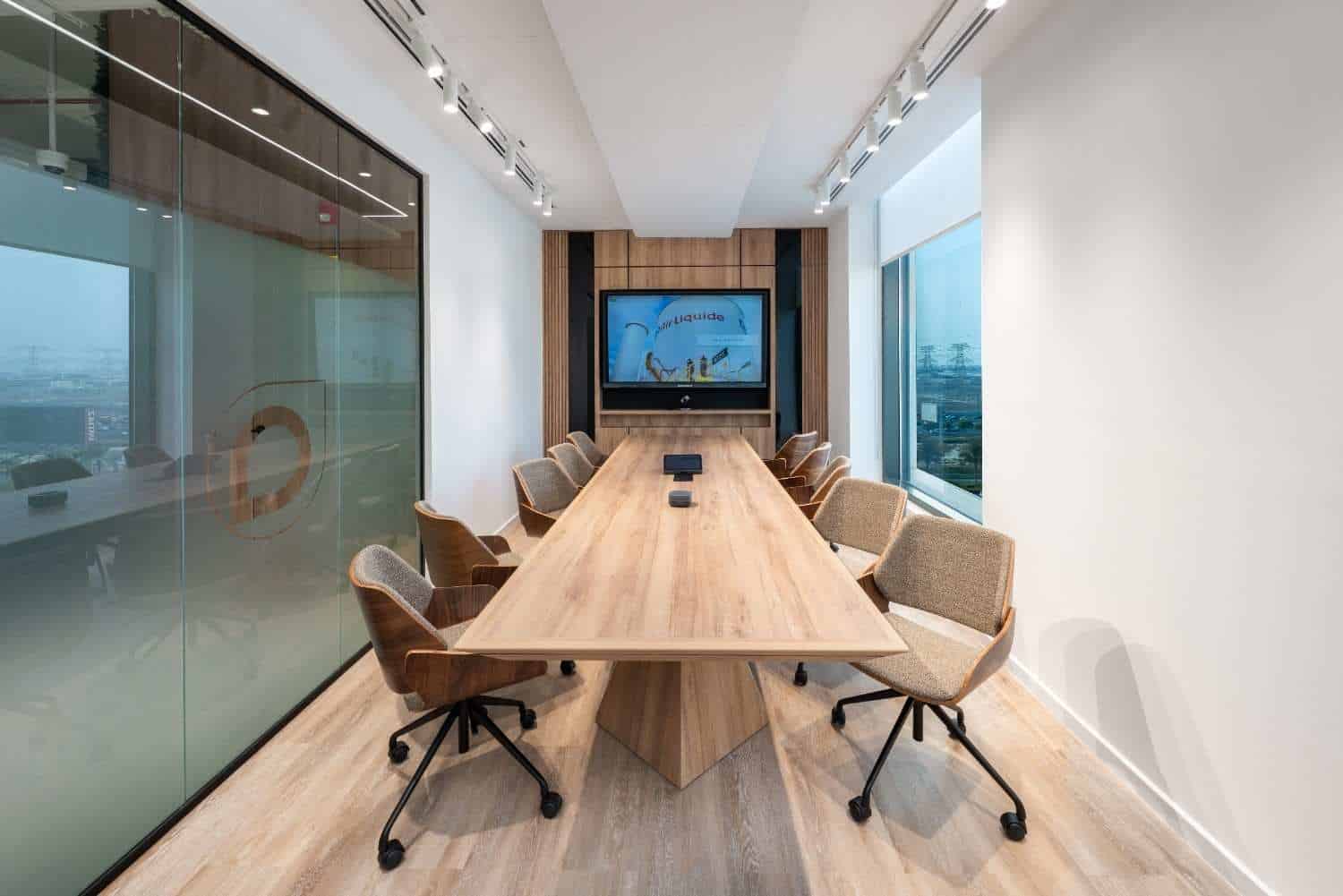
A design project rarely follows a straight line from start to finish. Ideas shift, new inspirations surface, and clients suddenly realize that the sofa they selected last week no longer matches their evolving vision. This creative back-and-forth shapes every successful interior project, turning initial concepts into finished spaces that truly satisfy everyone involved.
The best interior design companies in Dubai excel at managing this fluid process with grace, skill, and clear communication that keeps projects on track while accommodating necessary adjustments.
Establishing clear expectations from the start:
Professional design teams set revision protocols during the first client meetings. Contracts clearly outline how many rounds of changes are included in the base fee and what constitutes an extra charge. This upfront honesty prevents confusion when modifications become necessary later in the timeline.
Using visual tools for better communication:
Designers employ digital mood boards, 3D renderings, and material samples to show concepts clearly before any physical work begins. These visual aids allow clients to spot potential issues early when changes are simpler and more affordable to implement.
Implementing a structured feedback system:
Organized revision processes use formal feedback forms and scheduled review sessions. Clients receive specific questions about each design element, guiding them toward constructive input rather than vague preferences that waste time and creative energy.
Managing material and product changes effectively:
When clients request new finishes or furniture pieces, designers quickly verify availability, pricing, and lead times. This practical approach ensures that every requested modification fits within the project schedule and budget constraints.
Balancing creativity with client preferences:
Skilled designers listen carefully to client concerns while offering professional alternatives that maintain design integrity. They present two or three viable options for each requested change, giving clients choices without overwhelming them with excessive possibilities.
Documenting every revision clearly:
Professional teams maintain detailed records of all change requests, approvals, and cost implications. This documentation protects both parties and creates a clear timeline of decisions that shaped the final design outcome.
The revision process demands patience, clear communication, and mutual respect between clients and design professionals. Great interior designers view changes not as obstacles but as opportunities to refine their work and strengthen client relationships. These collaborative exchanges often produce the most memorable and personalized spaces, where every detail reflects thoughtful consideration and shared creative effort.
